
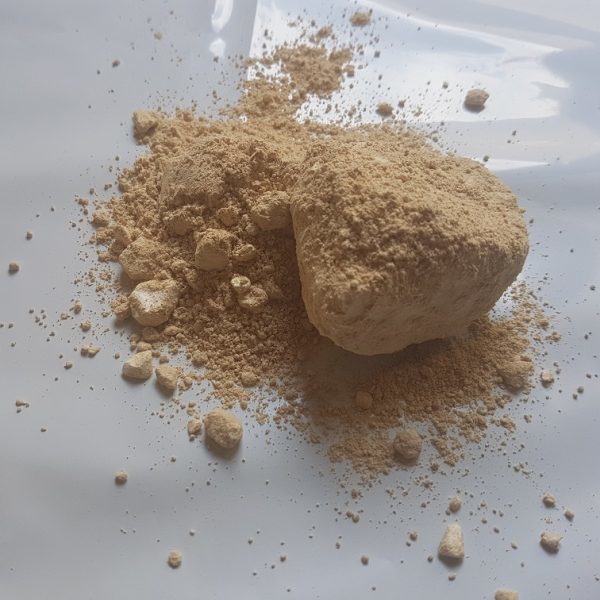
6-APB – Research Chemical Profile & Information
6-APB (6-(2-aminopropyl)benzofuran) is a synthetic compound that belongs to the benzofuran chemical class, structurally related to the well-known entactogen and amphetamine families. First synthesized in the 1990s, 6-APB is often studied in research laboratories due to its structural and pharmacological similarities to compounds such as MDMA (3,4-methylenedioxymethamphetamine) and MDA (3,4-methylenedioxyamphetamine).
Unlike traditional amphetamines, 6-APB contains a benzofuran ring system, which significantly influences its chemical behavior and interaction profile. This modification makes it a subject of interest in toxicology, analytical chemistry, and forensic research.
Research Applications
Structural Analysis: Scientists study 6-APB to understand how benzofuran substitutions affect the activity of entactogen-like compounds.
Analytical Profiling: Used in forensic laboratories for the development of reference libraries and detection methods.
Comparative Studies: Allows researchers to examine similarities and differences between classic entactogens and benzofuran-based analogs.
Scientific Relevance
The study of 6-APB contributes to the broader understanding of:
Novel psychoactive substances (NPS) and their classification.
The impact of ring substitutions on receptor binding and pharmacological properties.
Analytical techniques for detecting emerging compounds in biological and forensic samples.
⚠ Important Notice: 6-APB is provided strictly for laboratory research, forensic analysis, and scientific reference purposes only. It is not approved for human or veterinary consumption.
| qty | 10g, 14g, 28g, 56g, 112g, 224g, 448g |
|---|
Be the first to review “6-APB (Benzo Fury) Powder”
Related products
Research chemical | Cathones or Cathinones
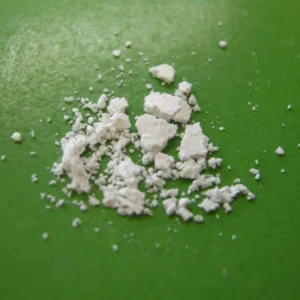
Research chemical | Cathones or Cathinones

Research chemical | Cathones or Cathinones
Research chemical | Cathones or Cathinones
Research chemical | Cathones or Cathinones
Research chemical | Cathones or Cathinones
Research chemical | Cathones or Cathinones
Research chemical | Cathones or Cathinones
Reviews
There are no reviews yet.